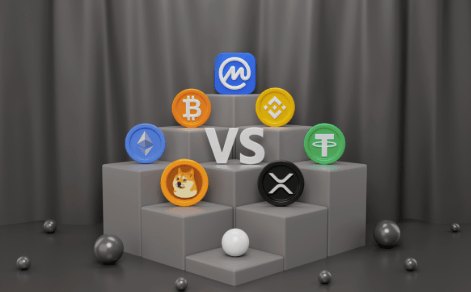
The Difference Between Coins and Tokens

Coins and tokens occupy distinct roles in blockchain ecosystems. Coins provide native security, governance, and execution within their own networks, often with issuance rules or caps. Tokens ride existing platforms via smart contracts to represent assets, utilities, or rights. This distinction shapes risk, design choices, and interoperability. Investors and builders must assess native value capture versus programmable functionality, and anticipate how governance evolves across networks. The implications extend beyond technology; they determine practical use and strategic options in the ecosystem.
Coins vs Tokens: What’s the Difference and Why It Matters
Coins and tokens are two distinct forms of cryptocurrency that serve different roles within blockchain ecosystems: coins function as native currencies of their respective networks, while tokens run on existing blockchains to represent assets, utilities, or rights. In practice, this distinction informs governance, liquidity, and interoperability.
coins vs, tokens vs. Understanding separation clarifies investment risk and technical design choices for freedom-minded ecosystems.
How Coins Are Created and Used on Their Native Blockchains
How are coins created and deployed on their native blockchains, and what roles do they fulfill within the network? Coin creation stems from protocol-defined issuance, mining or staking rewards, and fixed supply caps, establishing native blockchain value and governance. These coins enable native blockchain execution environments, secure consensus, and economic incentives, while fostering cross chain interoperability through standardized bridges and interoperability layers.
See also: How Technology Shapes Human Behavior
How Tokens Are Built on Other Platforms and Why They Matter
Tokens built on other platforms leverage smart contract functionality to represent assets, utilities, or governance rights without deploying a native coin on the underlying blockchain. These constructs enable rapid deployment, cross-chain compatibility, and modular capabilities. Platform interoperability shapes integration strategies, while governance mechanisms empower holders to influence protocol evolution, voting weight, and policy updates, independent of native coin issuance.
Should You Invest, Build, or Use? Choosing Between Coins and Tokens
Investors, builders, and users must align their objectives with the inherent differences between coins and tokens to determine which pathway—investment, development, or usage—offers the strongest value proposition.
The decision hinges on investment implications, governance models, and risk tolerance.
Coins emphasize store-of-value and security; tokens prioritize utility and programmable rights, guiding whether capital allocation, product development, or practical adoption yields superior returns.
Conclusion
Coins and tokens represent distinct design philosophies: coins underpin native networks with security and governance, while tokens leverage existing platforms for rapid, programmable asset exposure. Juxtaposing autonomy with interoperability highlights risk and reward—coins demand long-term network health and capital planning; tokens favor flexibility and faster deployment but depend on external security and platform rules. Investors and builders must weigh native security versus cross-chain utility, balancing governance, issuance, and interoperability to determine the optimal asset type for their goals.